AI is everywhere today — from writing blogs and essays to generating images and even creating code. But here’s the tricky part: how do you know if what you’re seeing is truly human-made or AI-generated? That’s where an AI detection tool comes in.
Imagine this: You’re reviewing a blog draft for a client. It looks polished… maybe too polished. Something feels off. Could it be AI-generated? A quick scan with the right AI detection tool can save your credibility and ensure the content is authentic.
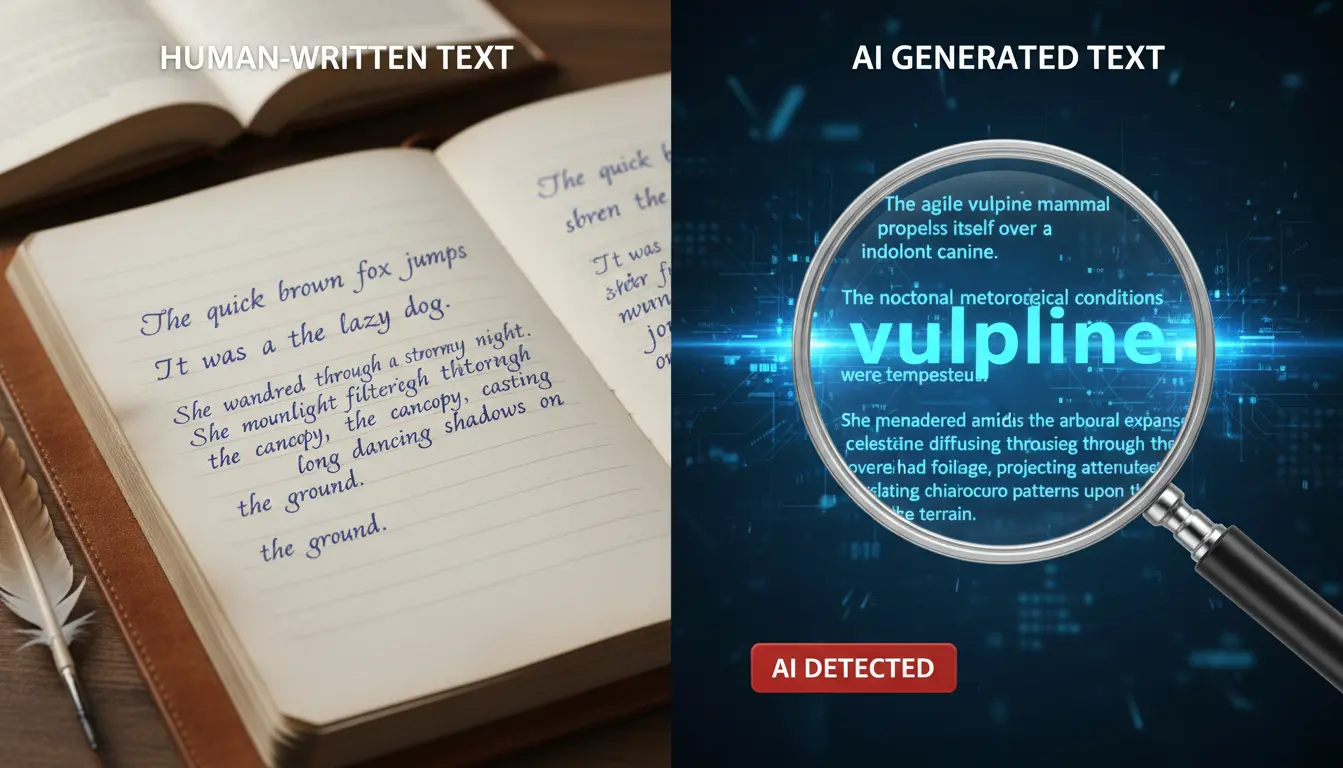
Why You Need an AI Detection Tool
Authenticity is everything.
- Protect authenticity: Make sure your content represents real human thought.
- Avoid plagiarism risks: Traditional checkers may miss AI-generated content.
- Maintain trust: Clients, readers, and educators value genuine work.
Just last month, a client sent over a blog draft. It read well, but something felt robotic. Using an AI detection tool, I discovered it was partially AI-written. A few tweaks later, the content felt human, engaging, and completely authentic.
Top AI Detection Tools
Here’s a curated list of tools worth trying:
- OpenAI AI Text Classifier – Detects text generated by GPT models.
- GPTZero – Designed for educators, detects AI-written essays accurately.
- Copyleaks AI Detector – Checks web content and documents for AI involvement.
- Content at Scale AI Detector – Ideal for long-form blogs and SEO content.
- Writer.com AI Detector – Quick and easy for marketers and bloggers.
Pro tip: Combine multiple tools for better accuracy — AI is evolving fast, and cross-checking helps.
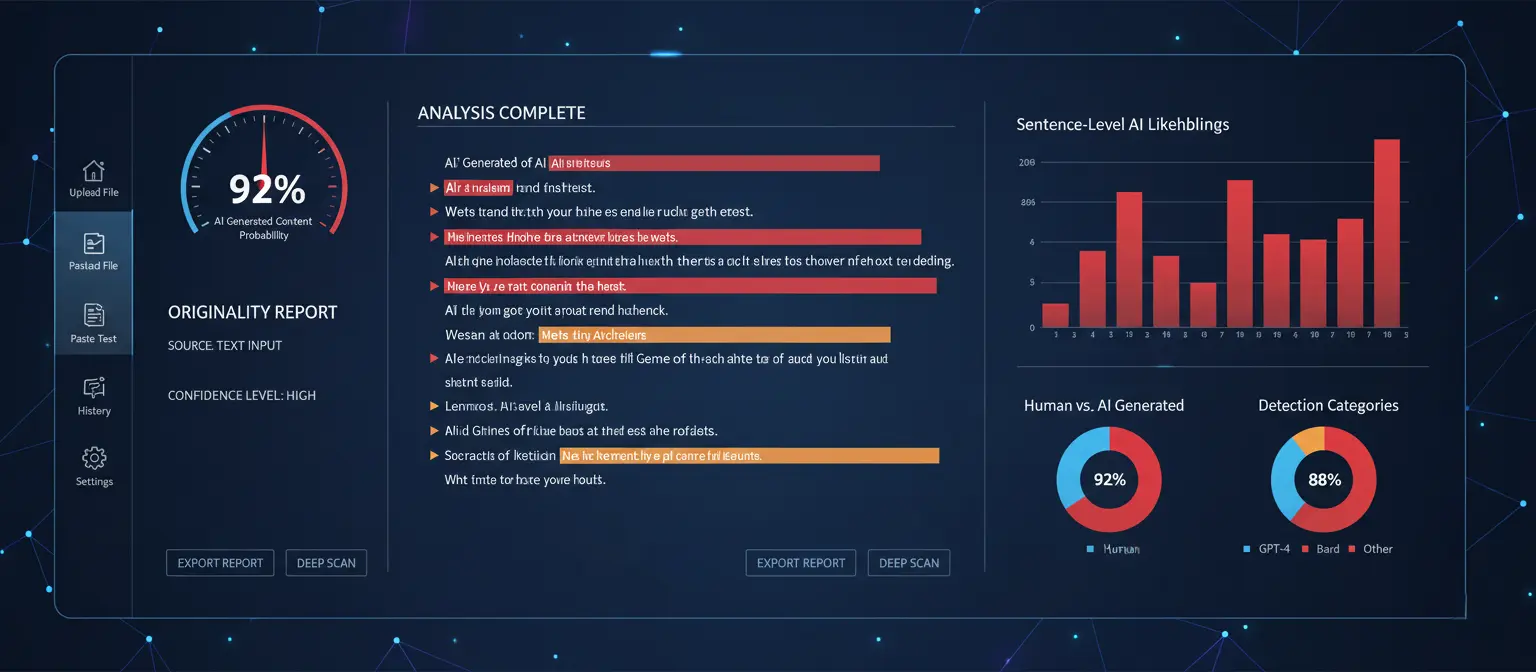
How to Use an AI Detection Tool
- Copy the text you want to check.
- Paste it into the tool’s interface.
- Run the scan.
- Analyze the results — most tools provide a confidence score.
- Rewrite AI-heavy sections to add a human touch.
Example: I ran GPTZero on a 1,500-word blog draft. It flagged 42% as AI-written. After some creative rewrites, the blog became fully authentic, and my client was thrilled.
Best Practices for Detecting AI Content
- Always check high-stakes content like client blogs, academic essays, or business proposals.
- Pair detection tools with human review — no tool is perfect.
- Use these tools regularly; AI evolves every day.
- Stay updated with new detection techniques and tools.
The Rise of AI-Generated Content and Its Challenges
AI-generated content is growing exponentially, from blog posts and social media captions to product descriptions and even creative writing. While AI tools like ChatGPT and other generative models make content creation faster, they introduce a major challenge: authenticity. Readers, clients, and search engines increasingly value human originality. Without detecting AI content, there’s a risk of spreading generic or misleading material. Moreover, in academic and professional settings, AI-generated content can raise ethical concerns. An AI detection tool helps bridge this gap by ensuring that content maintains credibility and reflects human creativity, protecting your reputation and maintaining trust in your brand.
How Businesses Benefit From AI Detection Tools
Businesses today rely heavily on content to attract, engage, and retain customers. But what happens if some content is AI-generated without oversight? Marketing campaigns can appear robotic, websites lose authenticity, and customer trust diminishes. Using an AI detection tool ensures that all content—emails, product descriptions, and blogs—retains a human touch. For instance, a digital marketing agency recently ran all client content through an AI detector and identified AI-heavy sections in newsletters and blog drafts. After human revisions, engagement rates increased, showing that readers notice authenticity. Incorporating detection tools into your workflow safeguards brand voice while leveraging AI efficiency.
Future Trends in AI Content Detection
AI content detection is not static; it evolves as AI writing tools become more sophisticated. Experts predict several trends in 2025: first, real-time AI detection integrated directly into content management systems, allowing instant verification as content is created. Second, cross-platform monitoring, where AI-generated text across social media, blogs, and forums can be identified quickly. Third, AI detectors will increasingly incorporate machine learning models that predict human-likeness, making detection more nuanced and accurate. Staying updated with these trends ensures that businesses, educators, and content creators can maintain authenticity and remain competitive in a digital landscape dominated by AI-generated content.
If you loved exploring AI writing tools in my previous post, “AI for Content Creation: How Artificial Intelligence Is Transforming the Way We Create,” you’ll find this extremely useful. AI detection tools complement creation tools — write smarter and ensure authenticity at the same time.
Common Questions
A2: Some tools offer free scans with limitations. Premium plans provide more detailed analysis.
A3: No, combine them with human review for best results.
A4: Indirectly. Authentic, human-written content often performs better in search engines.